

The Future of Education in the AI Era
How artificial intelligence is transforming academic assessment and the educator’s response
🔍 AI Detectors Are “Doomed to Fail”
Andrej Karpathy, former Tesla AI director and OpenAI co-founder, states educators will “never be able to detect” AI use in homework assignments. The technology is becoming increasingly sophisticated at mimicking human writing styles.
🏫 Shift Grading In-Class
Educational experts recommend moving the majority of assessments to supervised classroom settings where AI use can be monitored. This returns to traditional testing environments that have proven effective for centuries.
🎯 Dual Education Goal
Students must become proficient WITH AI tools while maintaining capability WITHOUT them. This balanced approach ensures they can leverage technology appropriately while developing fundamental knowledge and critical thinking skills.
✏️ NanoBanana Pro Example
Advanced AI tools like NanoBanana Pro can solve complex exam problems while mimicking student handwriting, complete with doodles and diagrams. These technologies make traditional take-home assignments increasingly vulnerable to AI assistance.
📊 26% Of Teens Already Use AI
2024 Pew Research shows significant student adoption of tools like ChatGPT for schoolwork. Over a quarter of teenagers report using AI for assignments, with numbers growing rapidly as tools become more accessible.
🔄 Return To Traditional Assessment
Educators are reviving in-person testing methods used for thousands of years before take-home homework became widespread. These time-tested approaches ensure authentic assessment of student knowledge and abilities.
Andrej Karpathy Tells Schools: Stop Chasing AI Cheaters
Imagine trying to stop the tide with your hands. That’s essentially what schools are doing when they attempt to catch students using AI for homework, according to Andrej Karpathy, co-founder of OpenAI and former Director of AI at Tesla.
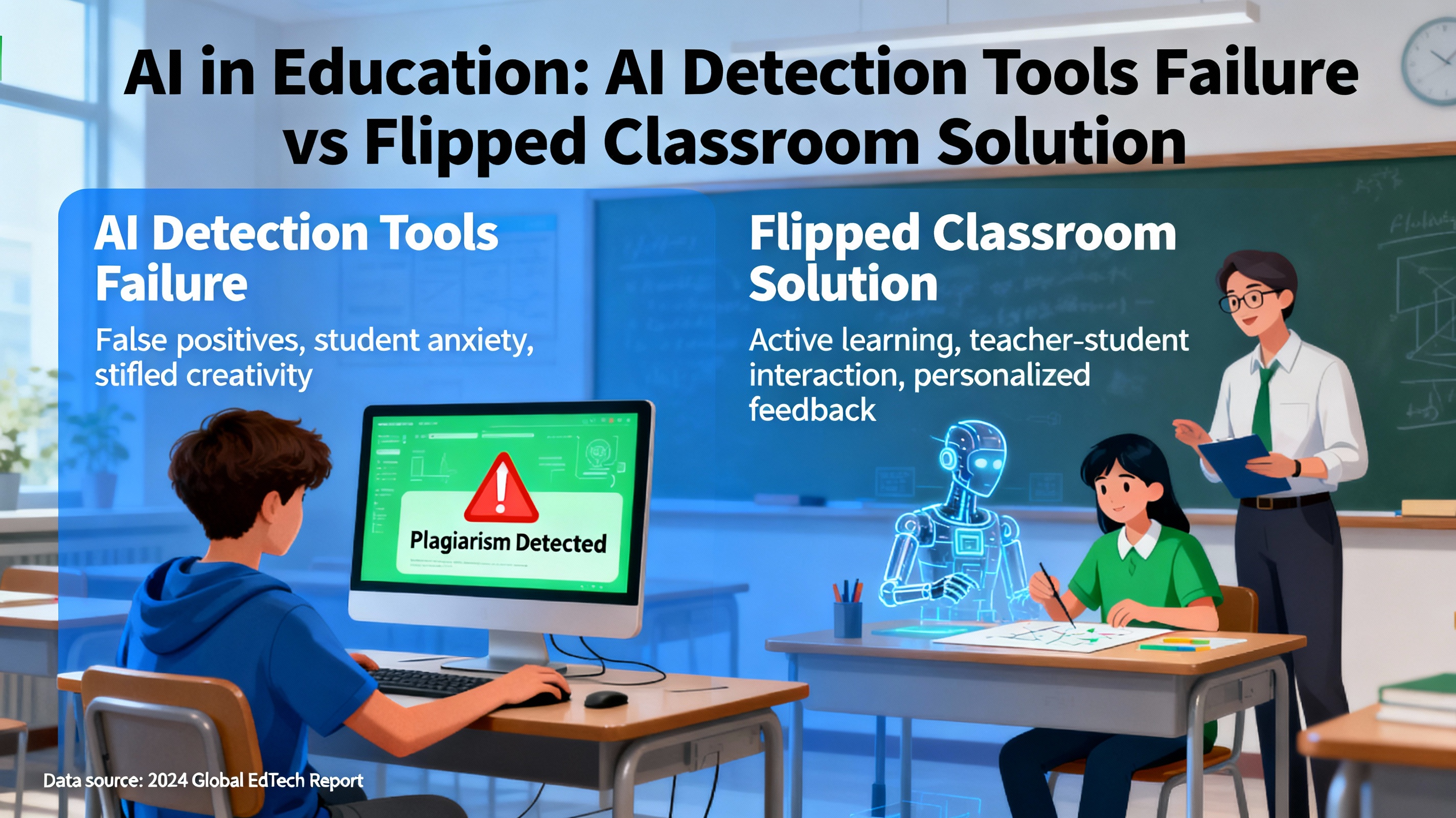
In late November 2025, Karpathy addressed a school board and dropped a statement that has since gone viral: “You will never be able to detect the use of AI in homework. Full stop.” He didn’t mince words—all AI detectors, he says, don’t really work, can be defeated in various ways, and are “in principle doomed to fail.”
So what’s the alternative? Karpathy proposes a straightforward solution: flip the classroom, move most graded assessments back into the school building, and teach students how to both use and exist without AI. Let’s break down why his message matters and what it means for the future of education.
Who Is Andrej Karpathy and Why Does His Opinion Matter?
Andrej Karpathy isn’t your average tech commentator. He holds a PhD in computer vision from Stanford University, where he created and taught the first deep learning course (CS231n)—one of the most popular classes in the university’s history. He was a founding member of OpenAI and later served as the Senior Director of AI at Tesla, leading the computer vision team responsible for Autopilot.
In 2024, Karpathy founded Eureka Labs, a startup focused on building an “AI-native” school. His vision? Human teachers design course content while AI assistants scale it and guide students individually.
Given his deep roots in both AI development and education, Karpathy speaks from a unique vantage point. When he says AI detection is a lost cause, the education world listens.
Why AI Homework Detectors Are “Doomed to Fail”
Let’s get specific. AI detection tools like Turnitin and Originality.ai claim to identify AI-written content by analysing sentence structure, vocabulary, and predictability. But here’s the problem:
📌 High false positive rates: Studies show false positive rates ranging from 10% to as high as 50% for certain writing styles. Non-native English speakers and neurodivergent students are flagged at higher rates because their writing patterns may unintentionally resemble AI outputs.
📌 Easy workarounds: Students can paraphrase AI-generated text, use multiple models, or refine prompts to produce content that evades detection.
📌 AI keeps improving: Detection tools are in a constant arms race with ever-smarter generative models. OpenAI itself shut down its own detection tool because of poor accuracy.
Even more alarming? Google’s Nano Banana Pro—part of the Gemini 3 series—can now solve exam problems correctly while mimicking a student’s actual handwriting. Karpathy cited this exact example to illustrate how futile detection has become. When AI can replicate your handwriting, what’s left to detect?
The False Positive Problem: Real Students Suffer
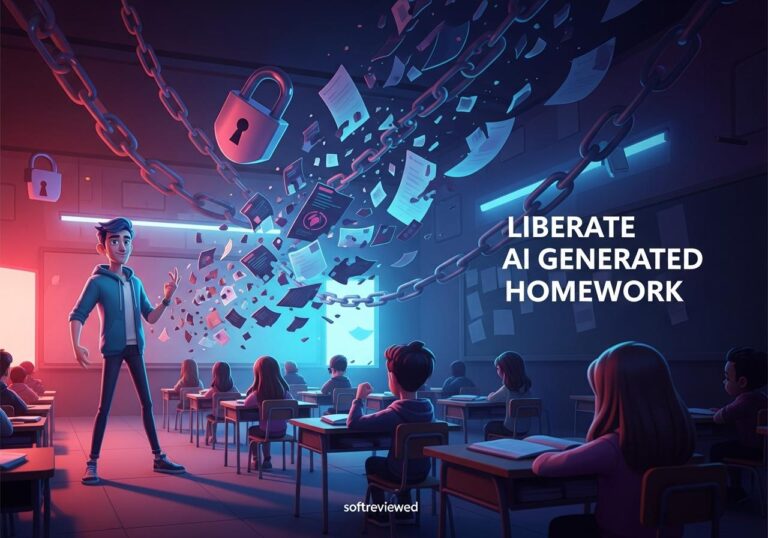
One of the most damaging consequences of AI detection is the false accusation. Imagine being a student who genuinely wrote an essay, only to be flagged as a cheater by a tool you can’t argue with.
This isn’t hypothetical. In one documented case at a US university, 22 essays flagged as AI-generated were later confirmed to be entirely human-written. The university had to suspend its use of the detector, issue apologies, and restore grades.
| Issue | Impact |
|---|---|
| ⛔️ False positives | Innocent students accused of cheating |
| ⛔️ Emotional toll | Anxiety, stress, and damaged trust |
| ⛔️ Unequal targeting | Non-native speakers and neurodivergent students flagged more often |
| ⛔️ Administrative burden | Teachers must verify every flag manually |
MIT’s educational technology team puts it bluntly: “AI detection software has high error rates and can lead instructors to falsely accuse students of misconduct.”
Karpathy’s Solution: Flip the Classroom
Rather than fighting a losing battle against AI-generated homework, Karpathy proposes a shift in strategy. His advice? Move the majority of graded work into the classroom, where teachers can physically monitor students.
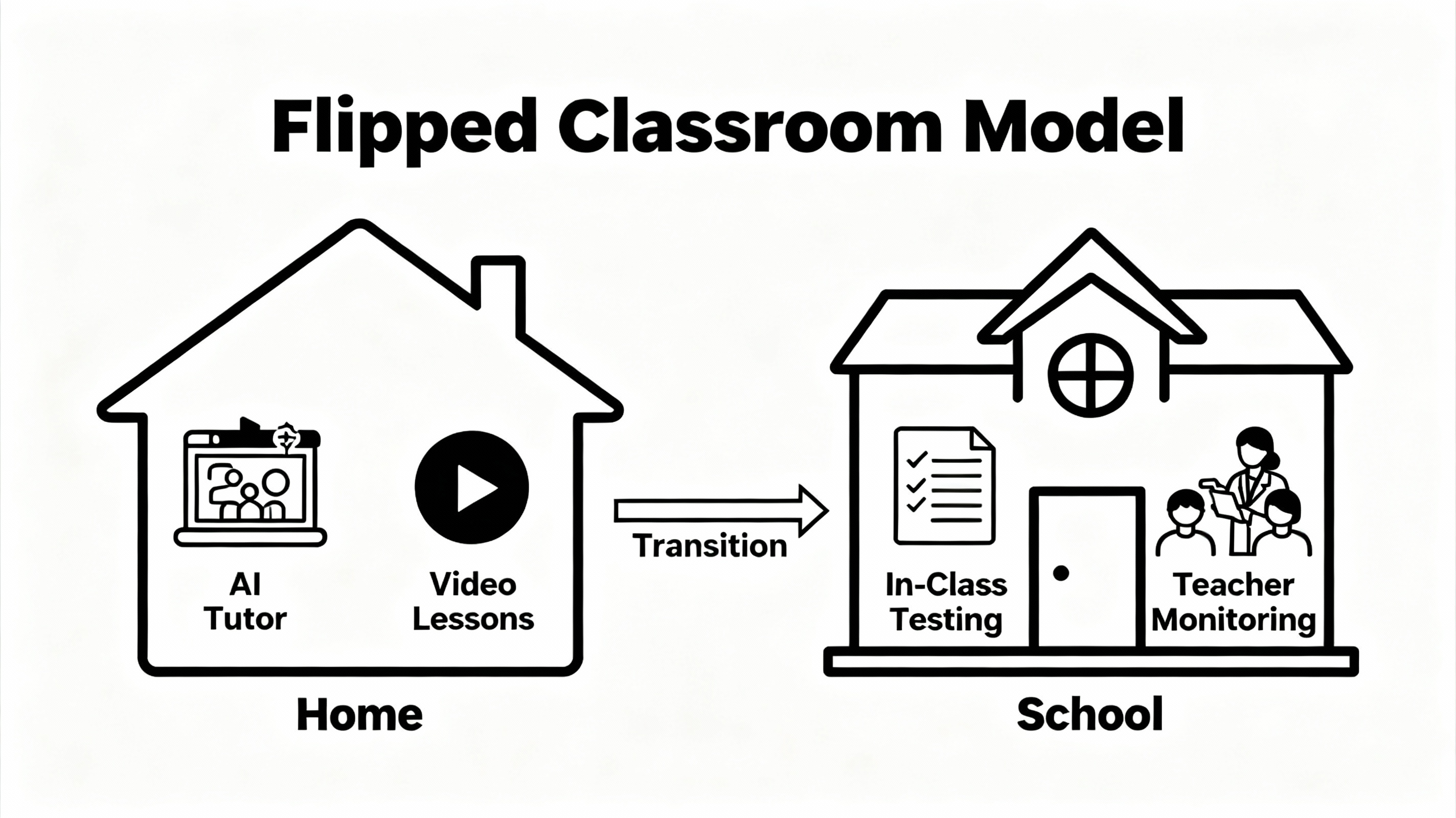
This is essentially the flipped classroom model—a teaching approach where students engage with instructional content (videos, readings, AI-assisted learning) at home, and class time is reserved for discussions, problem-solving, and assessments.
Here’s how it works in practice:
👉 At home: Students study concepts via videos, readings, and AI tools. They can use ChatGPT, Gemini, or any other assistant as a learning companion—no restrictions.
👉 In school: The focus shifts to supervised tests, collaborative projects, and discussions. Teachers can observe students directly and ensure authentic work.
This model allows students to benefit from AI while still being evaluated on what they genuinely understand.
The Calculator Analogy: What Karpathy Really Means
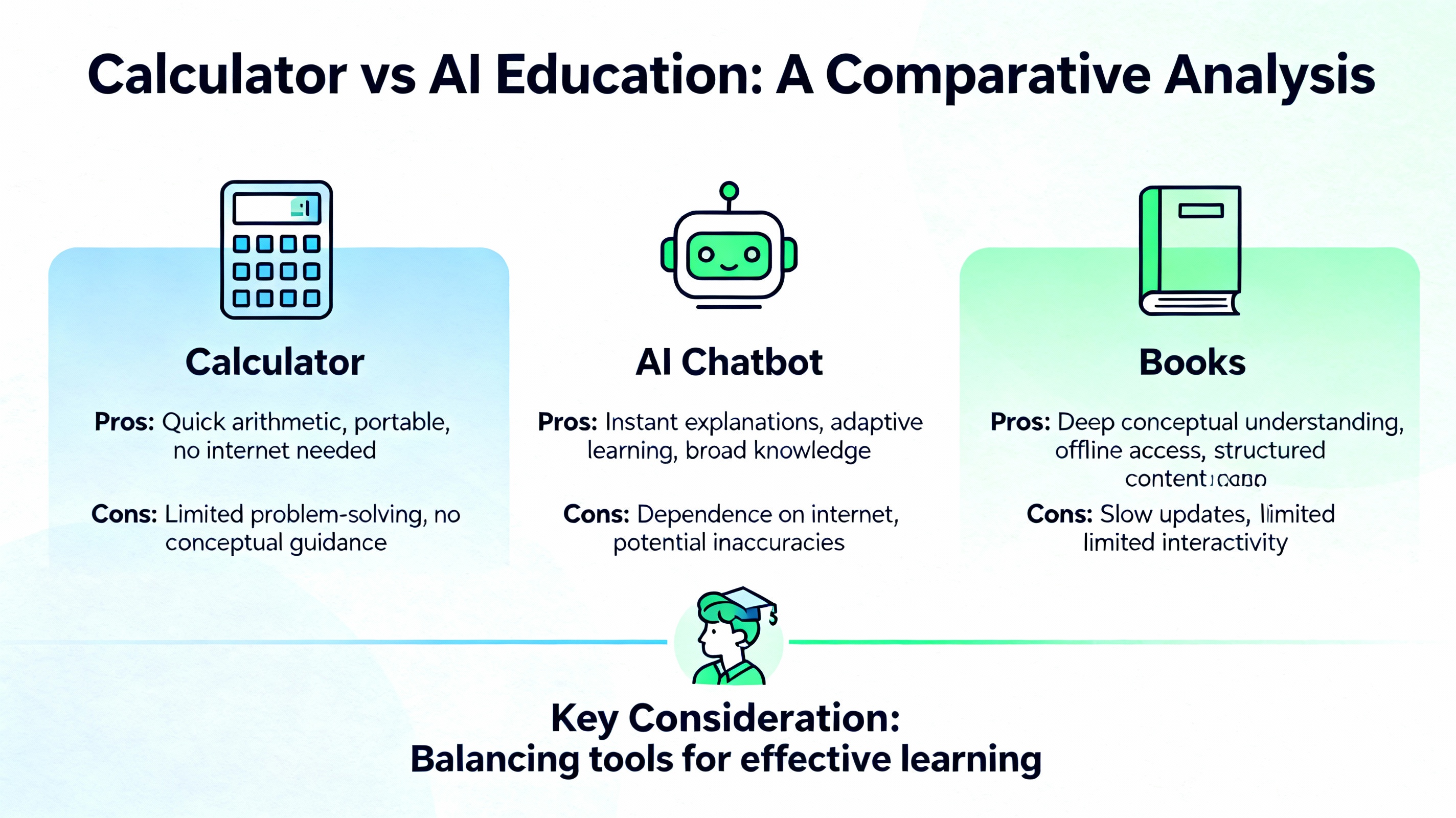
Karpathy compares AI to calculators—and the analogy is deliberately provocative.
When calculators first appeared in classrooms, critics warned that students would stop learning math. But schools adapted. They taught students to understand the principles first, then allowed calculators to speed up the process. Students still learn multiplication tables before using a calculator for complex equations.
Karpathy argues the same logic should apply to AI:
✅ Teach students the fundamentals so they understand what AI is doing.
✅ Ensure they can verify when AI gets something wrong.
✅ Then let them use AI as a powerful tool, not a crutch.
The key difference? Calculators are deterministic—they always give the correct answer for a given input. AI models are “a lot more fallible in a great variety of ways,” Karpathy notes. Students must develop enough understanding to catch errors.
What This Means for Students, Parents, and Teachers
Karpathy’s message carries implications for everyone involved in education:
For students: The goal is dual competency. You should be proficient in using AI—it’s here to stay and incredibly powerful. But you should also be able to “exist without it.” Being too dependent on AI means you won’t be able to verify its outputs or think critically when it fails.
For parents: Don’t panic about your child using AI for homework. Instead, focus on whether they understand the material. Ask them to explain concepts without a screen in front of them.
For teachers: Shift your energy from detection to design. Create assessments that require in-person demonstration of knowledge—oral exams, live problem-solving, group discussions, or hands-on projects. AI can’t replicate human presence.
The Bigger Picture: Rethinking Education for an AI-Native World
Karpathy isn’t anti-technology. Far from it. He launched Eureka Labs specifically to explore how AI can enhance education, not undermine it.
His core belief is that education’s goal in the AI age should be twofold:
- Train students to be proficient AI users.
- Ensure they can function without AI when necessary.
This means fundamentally rethinking homework, testing, and what we consider “learning.” Traditional take-home essays and open-book exams? Those may become relics of a pre-AI era.
The shift won’t be easy. Schools will need to redesign curricula, retrain teachers, and invest in new assessment formats. But the alternative—an endless, unwinnable arms race against detection—wastes resources and damages trust.
Practical Takeaways for Educators Ready to Adapt
If you’re an educator wondering how to move forward, here are actionable strategies based on Karpathy’s recommendations and current research:
| Strategy | How It Works |
|---|---|
| ➡️ In-class assessments | Move graded work to supervised settings where students solve problems without AI access |
| ➡️ Oral examinations | Ask students to explain their work verbally—AI can’t replicate live reasoning |
| ➡️ Process portfolios | Require students to document their learning journey, showing drafts and revisions |
| ➡️ Collaborative projects | Assign group work that requires human interaction and negotiation |
| ➡️ Teach AI literacy | Help students understand how AI works, its strengths, and its limitations |
The most effective approach combines structure with autonomy—teaching students not just with AI, but about how to master it.
Where Education Goes From Here
Karpathy’s declaration that “the war on AI homework is lost” isn’t defeatist. It’s a call to action.
Schools can either keep investing in detection tools that don’t work and breed distrust—or they can adapt. The flipped classroom model, in-person assessments, and AI literacy education offer a path forward.
Students growing up today will live and work in a world where AI is everywhere. Teaching them to hide from it or pretend it doesn’t exist does them no favours. What they need is the ability to use AI wisely, verify its outputs, and think independently when required.
As Karpathy puts it: “We don’t want students to be naked in the world without AI. But they also need to exist without it.”
That balance—proficiency with AI and independence from it—is the new educational north star.







