

ChatGPT’s Evolving Ad Strategy
Sam Altman reveals OpenAI’s approach to advertising in ChatGPT while prioritizing user trust
Altman’s Shifting Position
Sam Altman has shifted from stating “no active plans” for ads to confirming ChatGPT will “try ads at some point” despite previous opposition to advertising in the platform.
Trust as Foundation
“If ChatGPT accepted payment to put worse options above better ones, that would be catastrophic for user trust” — highlighting OpenAI’s commitment to maintaining integrity in any advertising implementation.
Google Comparison
“Ads on Google search depend on Google doing badly. If it gave best answers, no one would need ads above them” — Altman contrasts their approach with Google’s search advertising model.
Supplementary Revenue
Ads “will not be the main revenue source” and “not our biggest revenue opportunity” according to Altman, positioning advertising as a secondary income stream rather than the core business model.
Memory-Powered Recommendations
ChatGPT’s memory feature could potentially serve context-aware recommendations based on user conversations, creating more relevant and helpful advertising experiences.
Commission-Based Approach
OpenAI is exploring earning revenue only when users act on genuinely helpful recommendations, not through manipulative placements, aligning financial incentives with actual user benefit.
Trust or Transaction? Why OpenAI May Bring Ads to ChatGPT
OpenAI is exploring new ways to make ChatGPT profitable, and CEO Sam Altman recently confirmed that ads might be part of its future—even though he’s not a fan of traditional advertising. This article dives into what Altman said, why monetization matters for both users and OpenAI, and what changes may lie ahead for anyone relying on AI assistants like ChatGPT.
Understanding ChatGPT’s Current Monetization
ChatGPT operates on a user-aligned model where most revenue is generated directly from subscriptions and payment for services. Altman’s philosophy is built on maintaining user trust by providing quality answers instead of prioritizing paid placements, similar to how Google’s ad-based search works.
📌 OpenAI currently makes money mainly from paid ChatGPT subscriptions.
📌 Google uses ads that sometimes place sponsored results above organic ones.
📌 Altman denounces “pay-to-rank” approaches, calling them damaging to trust.
Why Is OpenAI Considering Ads Now?
As ChatGPT usage balloons from hundreds of millions to nearly a billion users globally, supporting free access for all users is costly. Internal documents reportedly forecast over $1 billion (₹8,350 crore) in ad revenue for OpenAI by 2026, potentially reaching $25 billion (₹2,08,750 crore) by 2029.
✅ Growing user base means higher operational costs.
✅ Ads could fund free access while reducing reliance on subscriptions.
✅ Other AI chatbots, like Perplexity and Google Gemini, have already introduced sponsored features.

Altman’s Take on Monetization—What’s Ethical, What’s Not
Altman makes a clear distinction:
- Negative model: Promoting less useful recommendations for money (“pay-to-rank”).
- Positive model: Taking a small transaction fee if you book a service directly through ChatGPT, without influencing answers.
He argues that a transaction fee keeps recommendations honest, while manipulative ads risk breaking user trust.
⛔️ Ads that change recommendations for cash are “catastrophic for trust.”
✅ Transaction fees for bookings are seen as ethical—no change to recommendations.
What Might Ads in ChatGPT Actually Look Like?
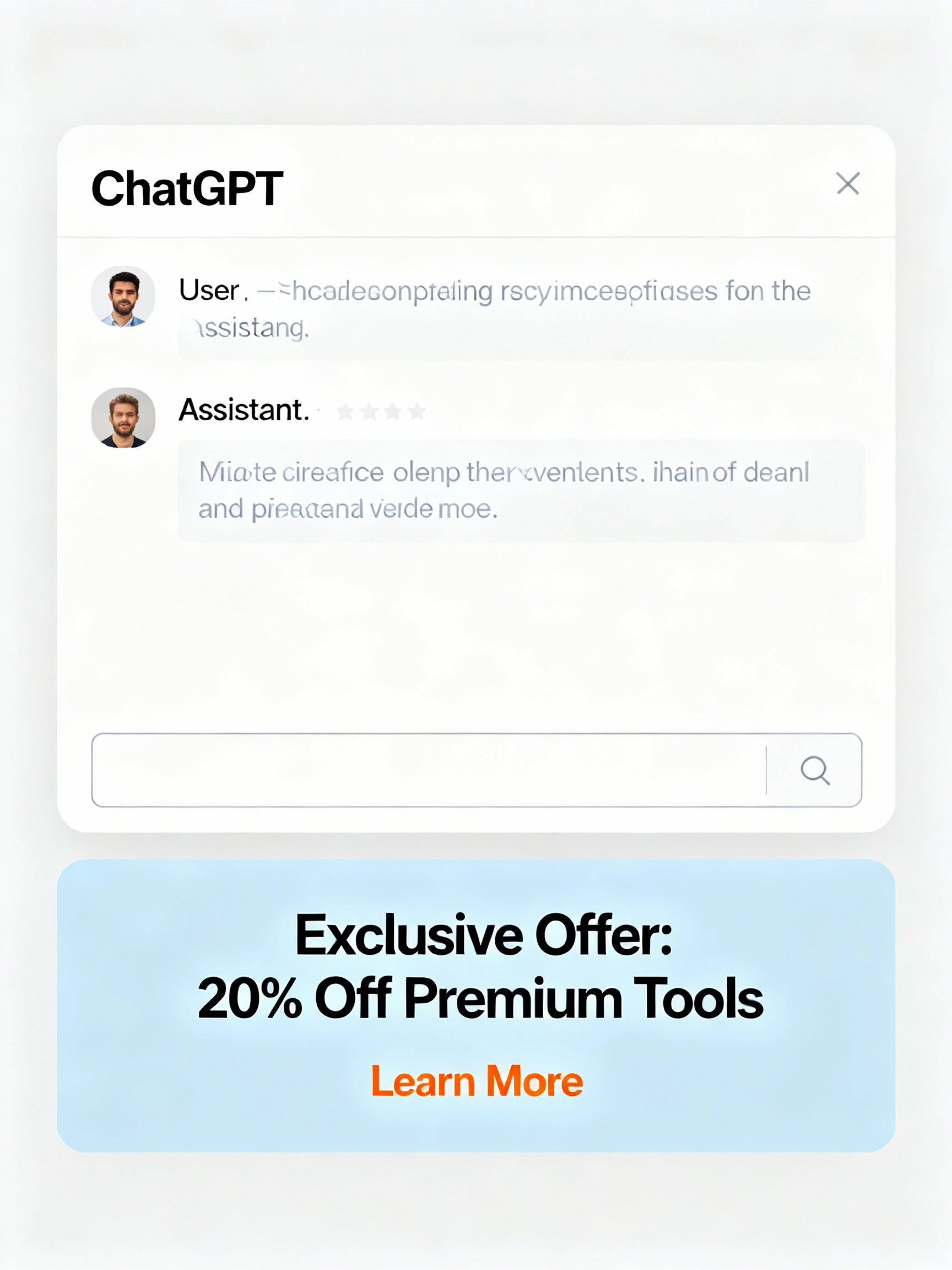
OpenAI hasn’t said how ads would appear, but expert speculation includes:
- Ads between or beside conversation responses.
- Sponsored follow-up questions, similar to Perplexity AI’s approach.
- Contextual ads as part of the interface—potentially less intrusive.
Comparison Table: ChatGPT Monetization vs. Competitors
| Model | ChatGPT (Now) | ChatGPT (Future) | Google Gemini | Perplexity AI |
|---|---|---|---|---|
| Subscription Only | ✅ | ➡️ Possible ads for free users | ||
| Transaction Fee Option | Possible | Possible | ||
| Pay-to-Rank Ads | ⛔️ | ⛔️ (Altman opposes) | ✅ Occasionally | ✅ Sponsored questions |
| Sponsored Answers | ⛔️ | Possible in future | ✅ AI Overviews | ✅ |
Real-World Impact & Expert Opinions
- Altman believes most future ChatGPT revenue will come from “doing exceptional things like curing diseases,” not just selling hotel bookings or showing ads.
- Industry experts predict that as AI chatbots become central to search and information, the way they show ads will influence both user trust and marketing strategies.
👉 Will users tolerate ads if they’re clearly marked and don’t influence recommendations?
👉 Can OpenAI maintain its reputation for trustworthy answers as it monetizes more aggressively?
Ethical & Privacy Considerations
Advertising inside chatbots raises privacy and influence issues:
- Are responses shaped by advertisers?
- How much data does OpenAI share with partners?
- Will paid ads be marked clearly, and how can users opt out?
✅ Transparency and clear disclosures will be key.
⛔️ Any hidden influence could erode long-term trust.
What’s Next? Forecasts and User Advice
- OpenAI is likely to start testing ads on ChatGPT for free users in 2026.
- Paid subscribers may see fewer ads or none at all.
- The shift could make high-quality AI assistance more accessible or, if poorly handled, undermine how users feel about AI advice.
➡️ Watch for changes in the ChatGPT interface.
➡️ Consider how ads might influence your interactions and whether paid options offer ad-free experiences.
For more details and official updates, check OpenAI’s official blog here.
Key Points to Remember
📌 OpenAI is weighing the introduction of ads to monetize ChatGPT, especially for free users.
📌 Altman insists that trust and ethical recommendations must come first.
📌 Other AI platforms already mix ads into chat and search.
📌 Users may benefit from free access but should be aware of potential influence and data sharing.
Is ChatGPT’s Future Still Aligned With Users?
The next chapter for ChatGPT could involve ads—but Sam Altman wants any change to keep user trust at the center. Whether you’re a casual user or rely on ChatGPT daily, staying informed and choosing the right subscription level (free or paid) will help you get the most transparent and useful AI experience in the years ahead.







