

🎬 Advanced Video AI System
Revolutionary 12B-parameter multimodal model transforming video understanding, analysis, and creation from concept to finished product.
Unified Video Understanding & Creation
12B-parameter multimodal model that handles both video analysis and generation in a single system, providing seamless integration of understanding and creation capabilities.
Spatio-Temporal Grounding
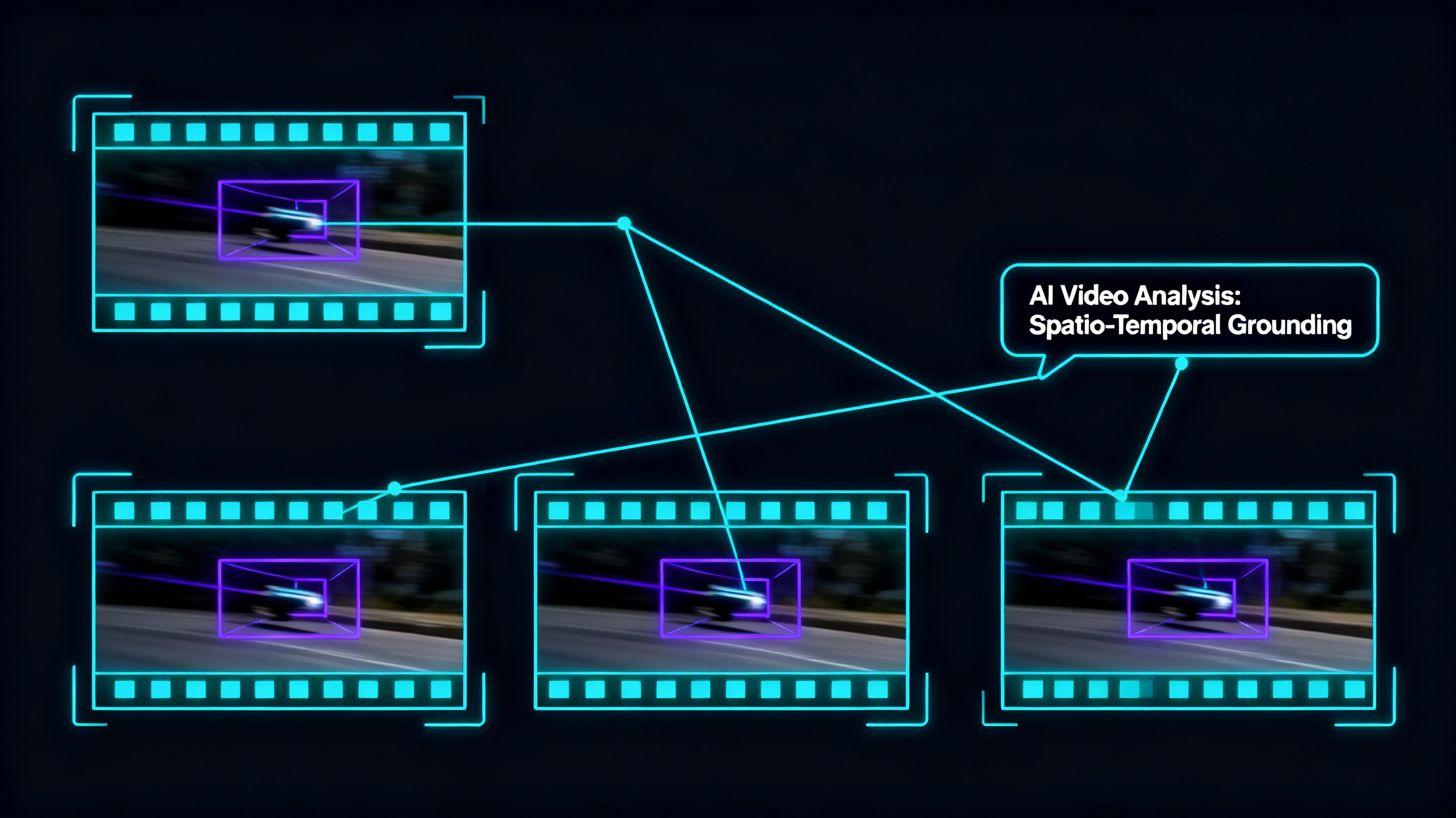
Pinpoints both when (timestamps) and where (bounding boxes) objects appear throughout videos using “spatio-temporal tubes” for precise object tracking and localization.
Advanced AI Editing Suite
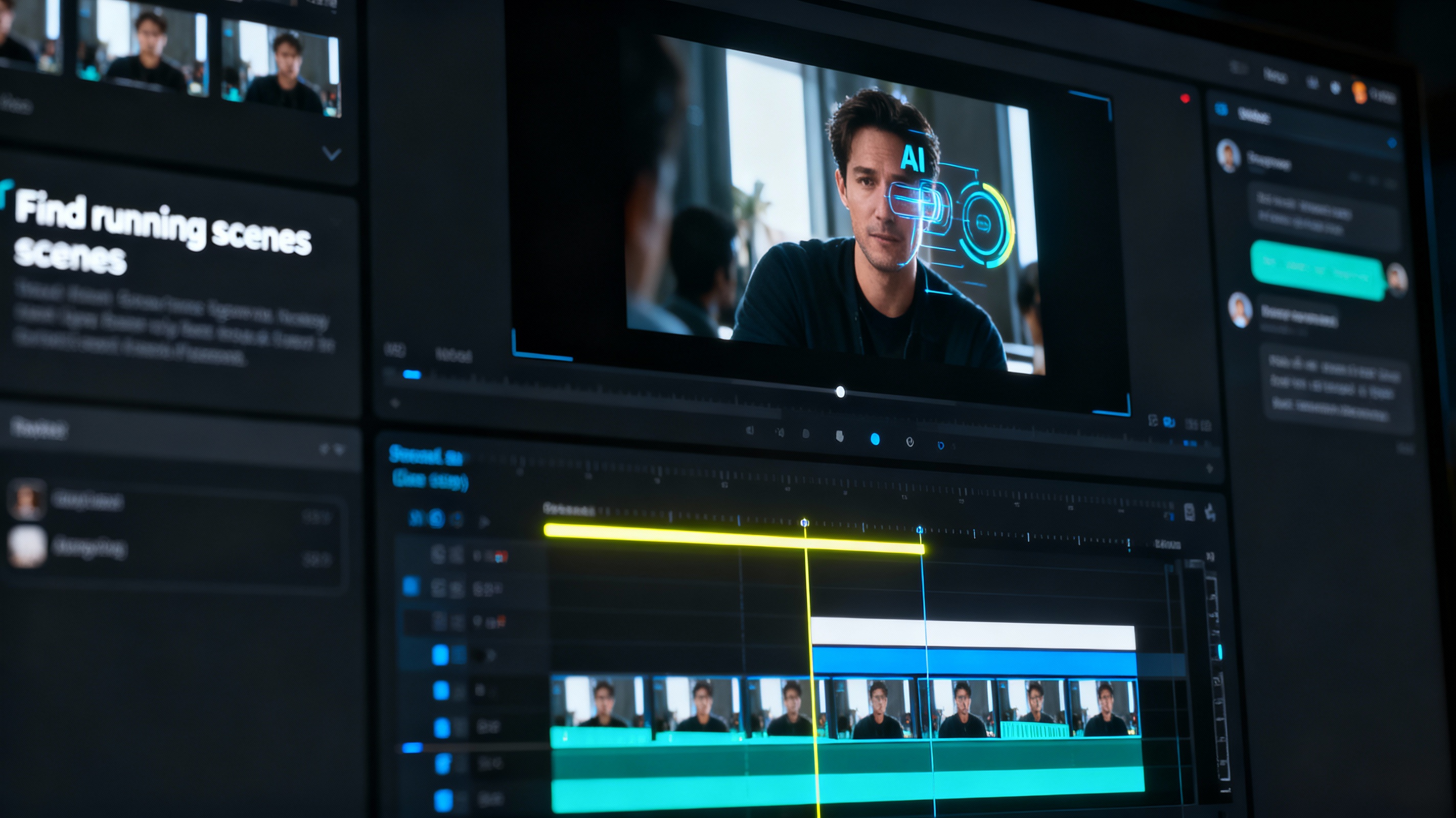
Features include highlight extraction, character tracking, smart reframing, multi-camera switching, and storyline-based creation for professional-grade video editing.
Research-Backed Performance
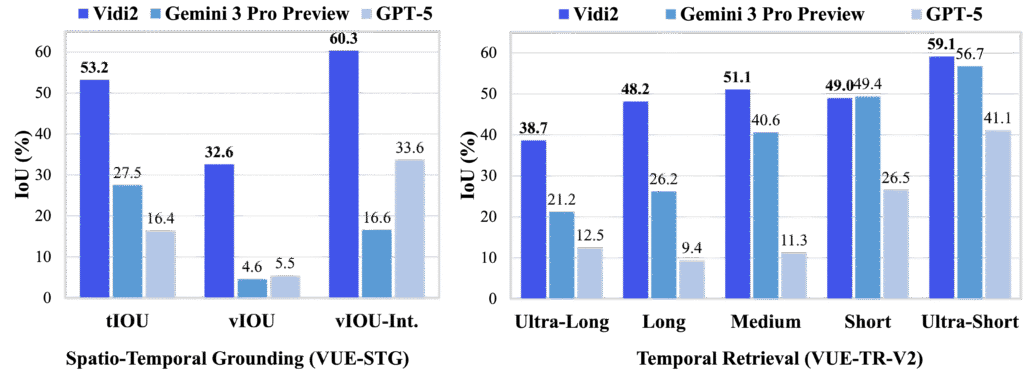
Achieves over 15-point gains in vIoU on VUE-STG benchmarks compared to previous systems, demonstrating state-of-the-art performance in video understanding tasks.
End-to-End Video Production
Analyzes hours of footage, interprets prompts, creates scripts, and generates complete videos from concept to finished product with minimal human intervention.
Unified Architecture
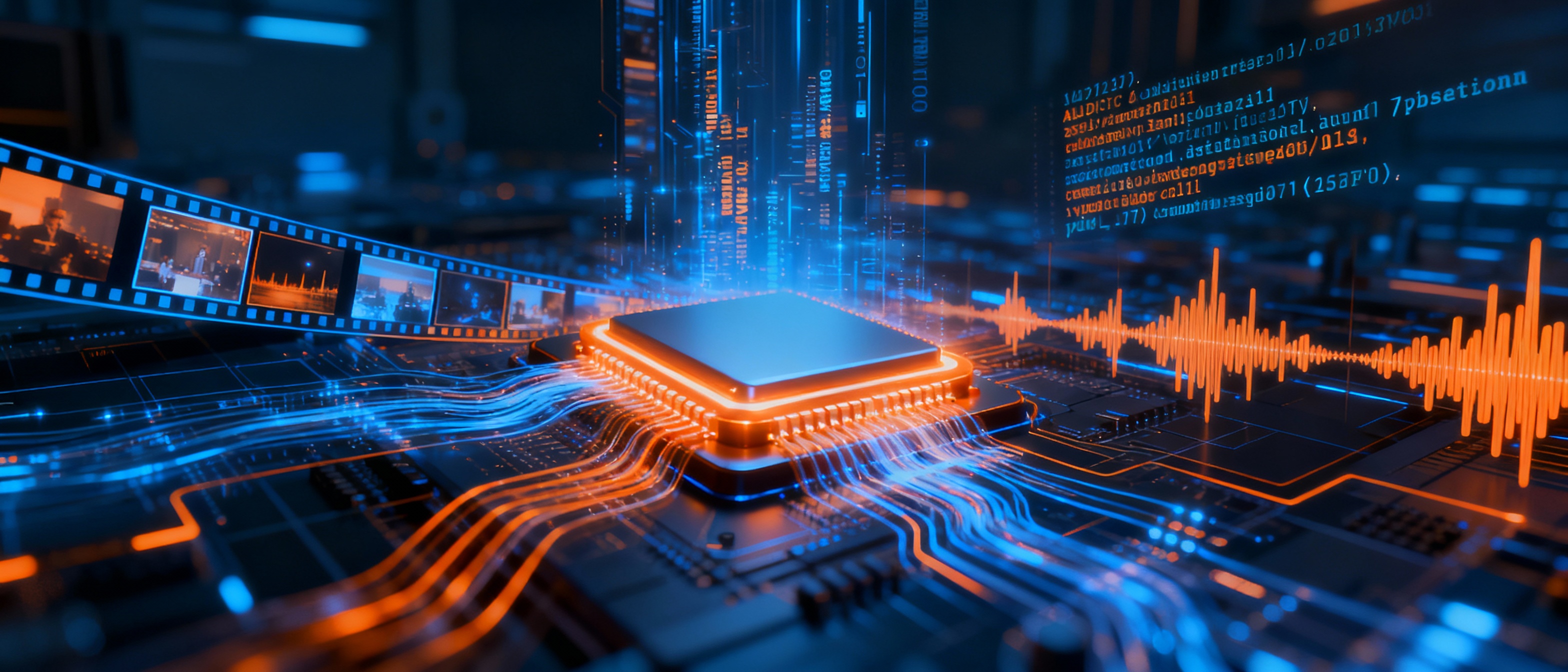
Built on Gemma-3 backbone with specialized visual, audio, and text encoders for comprehensive video reasoning and multimodal understanding capabilities.
The New Eyes of AI: How Vidi2 Redefines Video Understanding
Imagine trying to find a specific moment in a two-hour movie—like “the exact second the hero drops the key.” For most AI models, this is a guessing game. They might tell you roughly when it happens, but they often miss the details. Enter Vidi2, the latest powerhouse from ByteDance (the tech giant behind TikTok). Released in late 2025, this model isn’t just watching videos; it’s reading them with a level of precision that makes current industry leaders look like they need glasses.
Vidi2 represents a massive leap forward in “multimodal video understanding.” While models like Google’s Gemini 3 Pro have set high bars for reasoning, Vidi2 is claiming the crown for actually seeing where and when things happen. It’s not just about summarizing a clip; it’s about grounding text prompts into specific pixels and timeframes.
Beyond Just Watching: Spatio-Temporal Grounding
The secret sauce behind Vidi2 is something researchers call Spatio-Temporal Grounding (STG). In simple terms, most older models treat video like a soup of images—they know “a dog is running,” but they can’t easily point to the dog or tell you exactly when the running starts and stops.
Vidi2 changes this by creating what are called “tube” predictions. When you ask it to find “the man in the red hat walking past the store,” Vidi2 doesn’t just give you a timestamp (temporal). It draws a bounding box around the man (spatial) and tracks him across every frame he appears in (spatio-temporal).
- Precision Tracking: It predicts both the time span and the visual “box” for the object.
- Long-Context Handling: Unlike tools that choke on long files, Vidi2 uses adaptive visual token compression to process everything from short TikToks to 30-minute documentaries without memory overload.
- Audio-Visual Sync: It processes sound alongside visuals, meaning it understands that a “car crash” isn’t just the visual impact, but the sound of screeching tires that precedes it.
David vs. Goliaths: Vidi2 vs. Gemini 3 Pro & GPT-5
ByteDance didn’t just release a model; they dropped a gauntlet. According to their official project page, Vidi2 outperforms major proprietary systems—specifically Gemini 3 Pro and GPT-5—on key benchmarks like VUE-STG (a new standard for spatio-temporal grounding) and VUE-TR-V2 (temporal retrieval).
Here is how the landscape looks right now:
| Feature | Traditional Video AI | ByteDance Vidi2 |
|---|---|---|
| Object Tracking | Vague or non-existent | Precise bounding boxes (Spatial) |
| Time Accuracy | Approximate (e.g., “around 0:45”) | Frame-perfect start/end times |
| Context Limit | Struggles with long videos | Handles long-form content easily |
| Input Types | Mostly visual | Text, Visual, Audio (Multimodal) |
Why This Matters for You
You might be thinking, “I’m not an AI researcher, so why do I care?” The implications for creators, editors, and regular users are huge.
For Video Editors: 🎬
Forget scrubbing through hours of footage. With Vidi2, you could type “Select all clips where the bride smiles” or “Cut to the scene where the car turns left,” and the software would instantly locate those exact frames. This is the “Ctrl+F” for video editing we have been waiting for.
For Search: 🔍
If you are looking for a specific tutorial step on YouTube, Vidi2 powers the kind of search that takes you straight to the nut-and-bolt tightening, rather than just the beginning of the video.
For Content Repurposing: 📱
With its ability to understand the main subject of a shot, Vidi2 can automatically reframe horizontal videos into vertical ones for TikTok or Reels, keeping the action perfectly centered without human input.
The Flip Side: Privacy and Power
Of course, a tool that can “see” this well raises valid questions. If an AI can instantly identify and track a specific person across hours of CCTV footage or online video, the surveillance implications are significant.
- ⛔️ Privacy Risks: The same tech that finds “cute cat moments” can be used to track individuals in crowds with unnerving accuracy.
- ⛔️ Copyright: As with all generative and analytical AI, understanding copyrighted content at this depth could lead to new legal battles over fair use and data training.
The Verdict
Vidi2 isn’t just another incremental update; it is a shift in how machines process reality. By moving from vague descriptions to precise, grounded understanding, ByteDance has created a tool that bridges the gap between pixel and meaning. Whether you are excited about the editing possibilities or wary of the surveillance potential, one thing is clear: AI finally has its eyes wide open.







