
🧭 Strategic Architecture Takeaway
The autonomous AI landscape has branched into three mutually distinct operational models. Grok Bot (SpaceXAI) functions as a multi-agent digital office roster operating inside a shared Linux cloud environment with terminal persistence. OpenAI Dots (OpenAI) deploys as a persistent solo colleague powered by the GPT-6 Astra reasoning engine with low-latency live phone calling and an enterprise connector suite. Meta Muse (Meta) operates as a consumer-first assistant inside an isolated secure VM capable of placing telephone calls to brick-and-mortar US stores, generating two-host audio podcasts, and orchestrating everyday purchases with zero subscription fees.
Decision Anchor: Choose Grok Bot for multi-bot scheduled web routines ($20–$30/mo); choose OpenAI Dots for complex multi-hour reasoning and enterprise workflows ($100/mo); choose Meta Muse for frictionless mobile task completion and local merchant verification (100% Free).
🎬 Companion Video Analysis: Autonomous AI Agents in Action
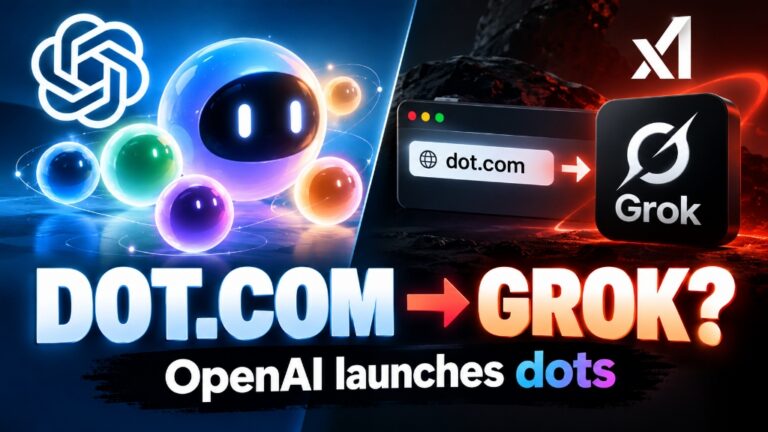
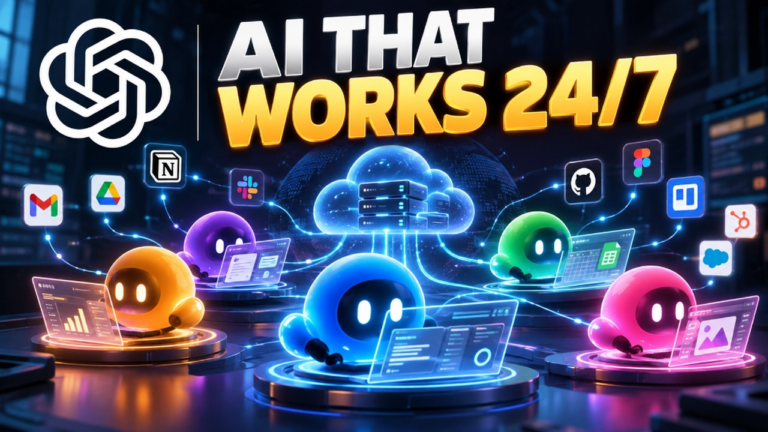
Watch the 68-second architectural walkthrough comparing Grok Bot’s Linux terminal daemons, OpenAI Dots’ live phone equalizer, and Meta Muse’s local retail storefront calling.
Direct YouTube Short: Watch on YouTube (@Softreviewed)
1. The Three Operational Paradigms of Autonomous AI
Autonomous artificial intelligence has evolved far beyond episodic prompt-and-response chat windows. In standard conversational interfaces, context terminates the moment a user closes their browser tab. The current class of autonomous agents operates with persistent memory, scheduled background execution loops, and dedicated virtual machine sandboxes that execute tasks independently while your local computer is powered off.
However, the three primary technology giants—SpaceXAI, OpenAI, and Meta—have approached autonomy with fundamentally conflicting engineering philosophies:
- SpaceXAI’s Roster Model (Grok Bot): Treats software agents like specialized digital employees. Users spin up multiple distinct bots (e.g., an automated lead researcher, a competitive monitoring crawler, a documentation auditor) that share a unified Linux workspace and hand off tasks via direct bot-to-bot messaging.
- OpenAI’s Persistent Partner Model (Dots): Treats the agent as a singular standing intellectual colleague. Instead of managing a swarm of named bots, you assign ongoing objectives to your Dot, which maintains internal subagent task graphs, connects natively to enterprise communication hubs like Slack and Microsoft Teams, and accepts real-time vocal feedback over live telephony calls.
- Meta’s Mobile Companion Model (Muse): Treats the agent as a personal life operator. Built around an ongoing “God-Thread” interface across WhatsApp, Instagram, and web, Muse focuses on real-world execution: dialling physical local businesses via telephone, creating complete interactive HTML dashboards, generating daily morning news podcasts, and facilitating purchases.
2. Comprehensive Head-to-Head Specification Matrix
The following table outlines the verified architectural specifications, runtime boundaries, pricing tiers, and regional availability across all three platforms:
| Evaluation Dimension | Grok Bot (SpaceXAI) | OpenAI Dots (OpenAI) | Meta Muse (Meta) |
|---|---|---|---|
| Developer & Engine | SpaceXAI / Grok 4.7 | OpenAI / GPT-6 Astra | Meta / Llama 4 Frontier |
| Core Architecture | Multi-Agent Team Roster | Persistent Solo Colleague | Unified Mobile “God-Thread” |
| Virtual Environment | Shared Linux Cloud PC (Disk + Terminal) | Dedicated Cloud Sandbox VM | Isolated Muse Secure VM |
| Proactivity Trigger | Cron Schedules & Webhooks | Continuous Astra Goal Loop | Event Prompts & Time Triggers |
| Telephony & Voice | Voice Chat Interface | Low-Latency GPT Live Calling | Direct Merchant Phone Calling |
| Third-Party Integrations | Composio, Zapier, Webhook APIs | 4,000+ Connectors, Slack, Teams | WhatsApp, Instagram, Link, Mac Mini |
| Human Supervision | Live Screen Share & Remote Takeover | Granular Action Approval Prompts | Mobile Approval Popups & Auth Relays |
| Monthly Cost | $20/mo (Cursor) / $30/mo (Grok) | $100/mo (ChatGPT Pro) | 100% Free (Ad-Funded Model) |
| Geographic Footprint | US, UK, Select EU regions | US & Global (Excludes EU/UK at launch) | US & Canada (Global rollout Q4) |
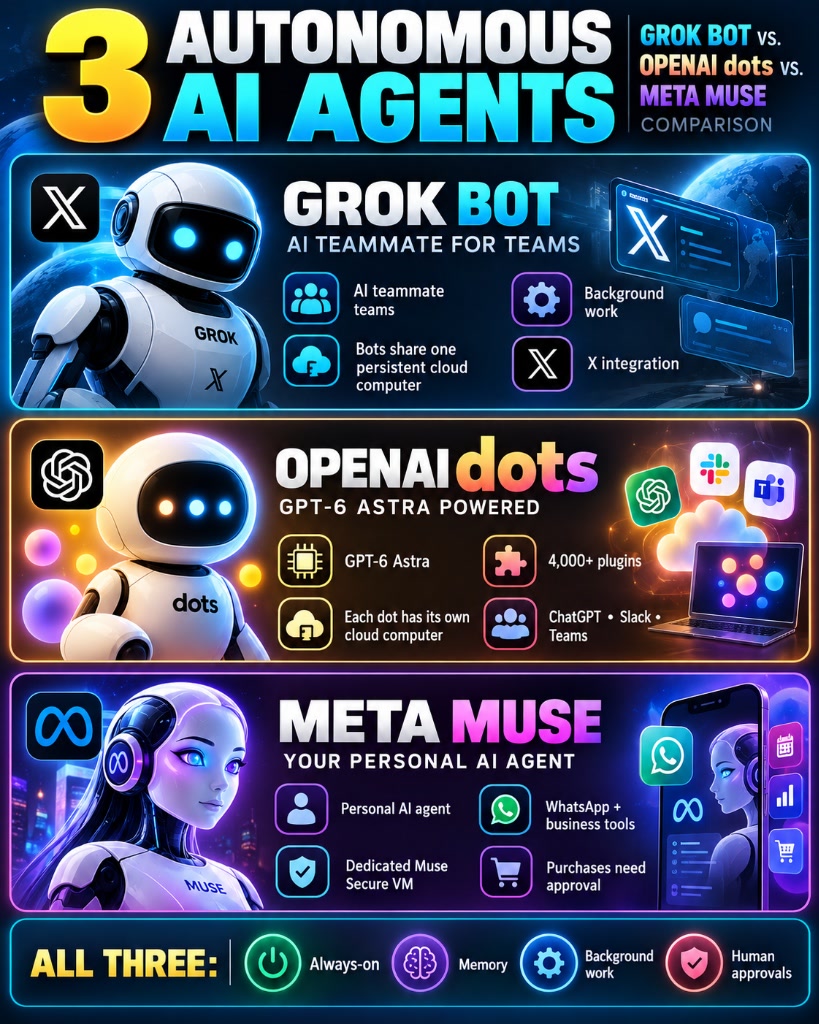
Figure 1: Core operational comparison highlighting architectural differences, VM runtime boundaries, and shared governance guarantees.
3. Deep Dive: Grok Bot (SpaceXAI) — The Digital Team Roster
The Team Roster Architecture
Grok Bot avoids the convention of interacting with a single general-purpose chat interface. When you configure a Grok workspace, you click an creation icon, describe an operational role in plain English, assign a name, and deploy an avatar.
For example, a marketing agency might configure three persistent bots:
- Scout: Scheduled to scan competitor websites every weekday at 6:00 AM, extracting pricing updates and newly launched software features.
- Analyst: Evaluates Scout’s raw scraped data against historical baselines stored in local disk files, drafting a structured intelligence report.
- Clerk: Ingests the finalized report, formats it into an email newsletter, and stages it inside a marketing draft queue.
These bots communicate with each other through internal @mentions within a unified dashboard, operating as an autonomous assembly line without requiring constant human prompt re-entry.
“Teach a Task” Demonstration Engine
A significant engineering achievement in Grok Bot is its screen-recording workflow creator. Rather than requiring users to write complex automation scripts or construct brittle Zapier recipes, users can simply click “Teach a Task” and perform the workflow manually in the bot’s cloud browser.
Grok Bot observes the session, records mouse clicks, form submissions, and authentication handoffs, and automatically synthesizes a repeatable autonomous routine. If the bot subsequently encounters a CAPTCHA or two-factor authentication challenge during scheduled execution, it issues an alert allowing the user to take direct remote keyboard and mouse control through a live virtual desktop view, resolve the barrier, and release the machine back to autonomous operation.
⚠️ Architectural Limitation: The Shared Machine Vulnerability
In SpaceXAI’s current cloud design, all bots deployed within a user’s roster share a single underlying Linux instance. Consequently, browser cookies, local storage directories, and terminal session history are accessible across all active bots. If one bot is assigned broad administrative access to internal communication tools or email dashboards, other bots running on that shared instance possess potential access to the same session data. Strict credential segmentation requires running separate workspace instances.
4. Deep Dive: OpenAI Dots (OpenAI) — The Persistent Solo Partner
The GPT-6 Astra Reasoning Engine
Launched during DevDay on September 29, 2026, OpenAI Dots represent the company’s institutional push into asynchronous software delegation. Powered by the frontier GPT-6 Astra model, Dots are specifically architected for multi-hour reasoning trajectories that demand rigorous planning before code or browser execution begins.
Unlike conventional chatbots that immediately output tokens upon receiving a prompt, a Dot constructs an internal tree of verification gates, spins up transient subagents to test distinct hypotheses in parallel, and refines its approach when an intermediate step encounters an error.
Low-Latency Live Telephony Calling
Dots integrate natively with OpenAI’s low-latency voice pipeline, enabling direct bi-directional phone calling through mobile devices. A knowledge worker can initiate a call to their Dot while walking or driving, asking for verbal status briefings on background operations:
- “What is the status of the vendor contract audit?”
- “The vendor in question flagged section four. I have highlighted three non-standard liability clauses and staged a revised draft in your Google Drive.”
- “Approve section two and ask their legal team for clarification on indemnity.”
The Dot executes these verbal instructions immediately, dispatching enterprise messages to Slack or updating Google Workspace documents while the user remains completely hands-free.
⚠️ Operational Drawbacks: High Entry Barrier & Latency Bottlenecks
OpenAI Dots require a ChatGPT Pro ($100/mo) or enterprise subscription, entirely excluding casual consumers. Furthermore, practitioner testing by independent systems architects has highlighted noticeable browser automation latency. Because the agent exercises exhaustive verification before clicking web elements, complex multi-site scraping routines can take four to six times longer than comparable workflows executed through headless playwright scripts.
5. Deep Dive: Meta Muse (Meta) — The Frictionless Consumer Companion
Direct Merchant Telephony Calling
Where OpenAI and SpaceXAI prioritize desktop enterprise workflows, Meta Muse focuses entirely on daily real-world consumer operations. Muse’s most distinctive technical capability is its verified capability to place actual outbound telephone calls to official brick-and-mortar US businesses.
If a user needs to confirm whether a local boutique carries a specific specialty shoe size or whether an automotive shop has an open diagnostic slot this afternoon, Muse dials the business directly using natural conversational voice synthesis. It converses with the human employee, asks the necessary inventory or scheduling questions, confirms operational hours, and delivers a concise summary and audio transcript to the user’s WhatsApp thread within minutes.
Autonomous Daily AI Podcasts & Standalone Artifacts
Muse is designed to preempt user requests through intelligent synthesis. Rather than delivering massive walls of conversational text, Muse autonomously structures its output into tailored media:
- Two-Host Daily Podcasts: Ingests 20+ saved bookmarks, technical newsletters, and subscribed RSS feeds overnight, synthesizing a crisp 6-minute audio show hosted by two synthesized AI voices for your morning commute.
- Interactive Mini-Sites: Generates self-contained, fully styled HTML comparison pages, interactive cost calculators, and vacation itineraries hosted on temporary secure links.
⚠️ Ecosystem Constraints: Walled Garden & Commercial Restrictions
Meta Muse operates strictly within Meta’s cloud infrastructure. It lacks terminal access, cannot interface with local developer environments, and integrates poorly with enterprise developer tools. Additionally, major e-commerce platforms (including Amazon) have implemented aggressive bot detection mechanisms specifically designed to restrict Muse’s autonomous web purchasing capabilities, limiting its transaction execution primarily to eBay and platforms supporting Meta’s Link gateway.
6. Search Demand Analysis: What Practitioners Are Investigating
An audit of Google and YouTube autocomplete search signals reveals distinct practitioner priorities across the three tools:
- Grok Bot Search Intent: Concentrated heavily on automation architecture and templates. Leading queries include “grok bot templates”, “grok bot vs dots”, “how to hire a grok bot”, and “grok bot shared computer security”. Users view Grok Bot as an automation engine for operations and competitive research.
- OpenAI Dots Search Intent: Heavily weighted toward pricing justification and capability verification. Leading queries include “openai dots pricing”, “openai dots $100 price tag”, “openai dots review”, and “how to connect dots to slack”. Prospective users want to determine whether the steep subscription fee is justified by measurable time savings.
- Meta Muse Search Intent: Centered on mobile usability, safety boundaries, and telephone dialling. Prominent searches include “meta muse phone calling”, “how to use meta muse”, “meta muse privacy concerns”, and “how to disable meta muse”. Consumers are fascinated by real-world calling capabilities but remain cautious regarding personal data telemetry.
7. Strategic Decision Framework: Which Bot Fits Your Operation?
Selecting the correct autonomous AI assistant depends directly on your daily operational scope, required ecosystem connectors, and software budget:
Deploy Grok Bot If:
- You manage repeatable business operations (lead qualification, competitor pricing audits, content scraping).
- You want multiple specialized bots collaborating via scheduled cron loops.
- You need bash terminal access and disk file persistence.
- Your software budget is capped at $20–$30 per month.
Deploy OpenAI Dots If:
- You require frontier multi-hour reasoning on complex legal, technical, or financial analyses.
- Your team relies heavily on enterprise integrations with Slack, Teams, and Google Workspace.
- You frequently travel and want direct phone-calling voice briefings with your agent.
- You can justify an enterprise $100 monthly subscription.
Deploy Meta Muse If:
- You primarily want an everyday mobile assistant inside WhatsApp and smartphone notifications.
- You need an assistant that can dial physical retail stores to confirm inventory and reservations.
- You enjoy auto-generated morning podcast summaries and dynamic HTML dashboards.
- You want zero upfront software costs (100% free usage tier).
8. Frequently Asked Questions
Can autonomous AI bots run when my computer is turned off?
Yes. All three platforms run entirely on managed cloud servers. Grok Bot executes within persistent Linux cloud computers, OpenAI Dots operates on sandboxed cloud virtual machines, and Meta Muse executes inside Meta’s secure cloud infrastructure. Scheduled routines and background tasks trigger reliably regardless of your device’s power state.
How does human supervision work during financial transactions?
Each platform implements mandatory human confirmation gates for sensitive actions. Grok Bot requires explicit approvals before submitting web forms with saved payment methods and permits live remote desktop takeover. OpenAI Dots pauses execution and pings the user via push notification before completing critical transactions. Meta Muse routes all checkout requests through an interactive approval screen with itemized pricing verification.
Are these autonomous agents available globally?
Availability varies by jurisdiction. Grok Bot is available across the United States, the United Kingdom, and select European nations. OpenAI Dots is available globally except in the European Union, United Kingdom, and Switzerland, where regulatory compliance reviews under the EU AI Act are ongoing. Meta Muse is currently restricted to users in the United States and Canada, with wider international expansion scheduled for late 2026.